
Generative Engine Optimization, or GEO, is becoming a serious topic for brands that want to be visible in ChatGPT, Google AI Overviews, Perplexity, Gemini, Microsoft Copilot, and other AI-driven discovery platforms.
But many companies still have the same question:
Does GEO actually work?
The honest answer is: yes, but not in the same way as paid ads or traditional SEO.
GEO is not just about getting more clicks from search results. It is about making your brand easier for AI systems to understand, cite, compare, and recommend when users ask questions.
As more users rely on AI tools for research, comparison, and buying decisions, the brands that appear in AI-generated answers may enter the customer’s shortlist earlier. The brands that do not appear may be ignored before the customer even reaches Google or a website.
Why GEO Matters Now
Search behavior is changing.
In the past, users typed keywords into Google, opened several pages, compared information, and made a decision. Today, many users ask AI tools directly:
“What are the best GEO tools?”
“Which agency can help improve AI search visibility?”
“How do I make my brand appear in ChatGPT answers?”
“What should I check before choosing an SEO and GEO partner?”
AI answers often summarize the market, list options, explain pros and cons, and recommend next steps. This means AI can influence the decision before a user clicks any result.
That is why GEO matters.
If your brand appears in these answers, you gain early visibility and trust. If your brand is missing, you may lose the opportunity before the customer even knows you exist.
What GEO Can Actually Improve
A good GEO strategy helps improve the information environment around your brand.
In simple terms, it helps AI systems answer these questions more clearly:
Who is this brand?
What does this company do?
Which category does it belong to?
What problems does it solve?
Is it credible?
Should it be recommended for this user’s query?
When the answers are clear and consistent across your website and third-party sources, your brand has a better chance of being mentioned or cited by AI systems.
GEO can improve several important signals.
1. Brand Mentions in AI Answers
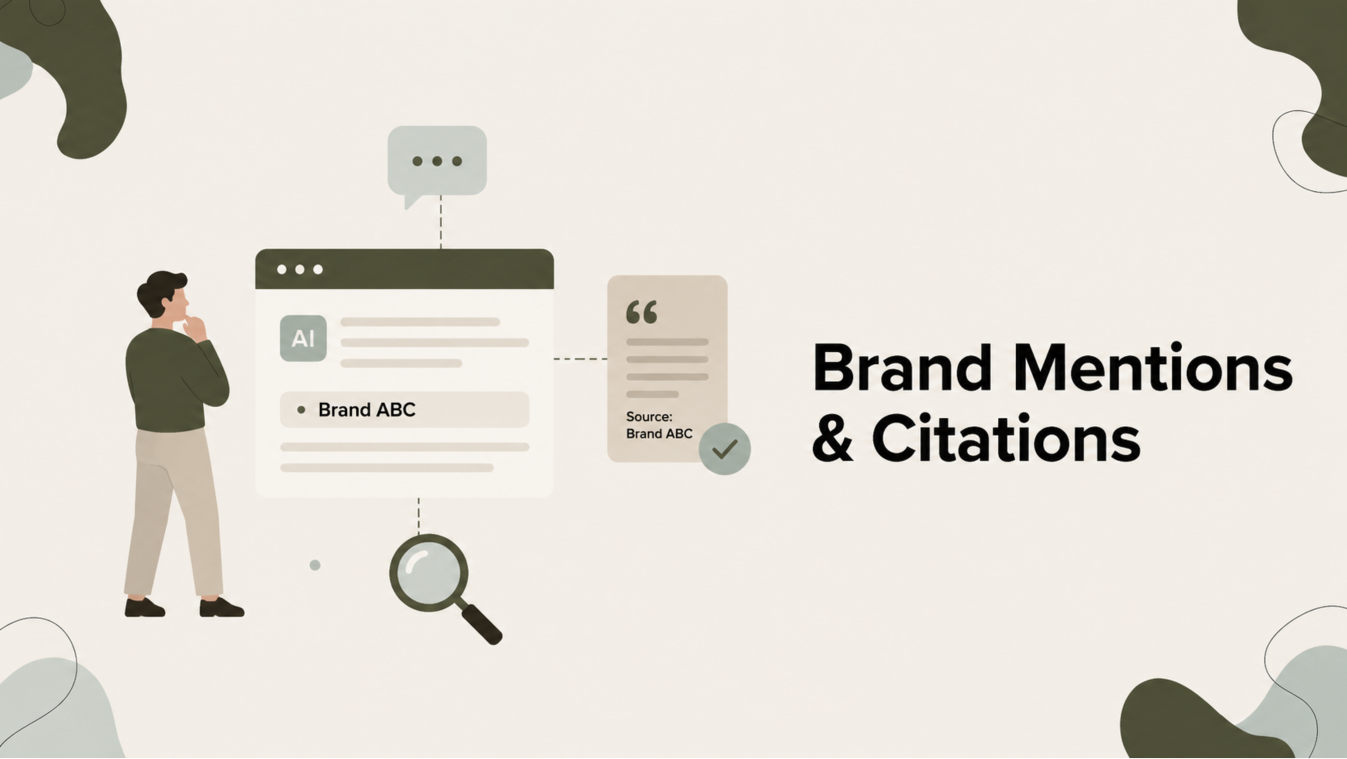
The first sign of GEO progress is often more brand mentions in AI-generated answers.
For example, your brand may start appearing when users ask questions like:
“Best platforms for tracking AI search visibility”
“Top GEO agencies for B2B brands”
“How to monitor brand mentions in ChatGPT”
“SEO vs GEO: which one should a company focus on?”
This does not always create immediate traffic. But it means your brand is entering the AI discovery layer.
That matters because many customer journeys begin with research and consideration, not conversion.
2. Citation Visibility
Another important signal is whether AI systems cite your pages as sources.
If your content is cited, it means AI systems find your page useful enough to support an answer.
Pages that are more likely to earn citations usually include:
Original research
Useful comparison pages
Clear FAQ pages
Buyer guides
Use-case pages
Practical frameworks
Technical explainers
Pages with examples, screenshots, or data
Generic blog posts are usually not enough. AI systems need clear, specific, and trustworthy information.
3. Better Brand Framing
GEO is not only about whether your brand appears. It is also about how your brand appears.
For example, AI may describe one company as “a specialist in AI search visibility” and another as “a general SEO service provider.” That difference can affect how users perceive the brand.
Good GEO work makes your positioning more consistent across:
Homepage
Service pages
About page
Case studies
Blog content
Author profiles
LinkedIn page
Review platforms
Directory listings
Third-party mentions
If your brand is described differently across the web, AI systems may struggle to understand when to recommend you.
4. Assisted Demand
One challenge with GEO is attribution.
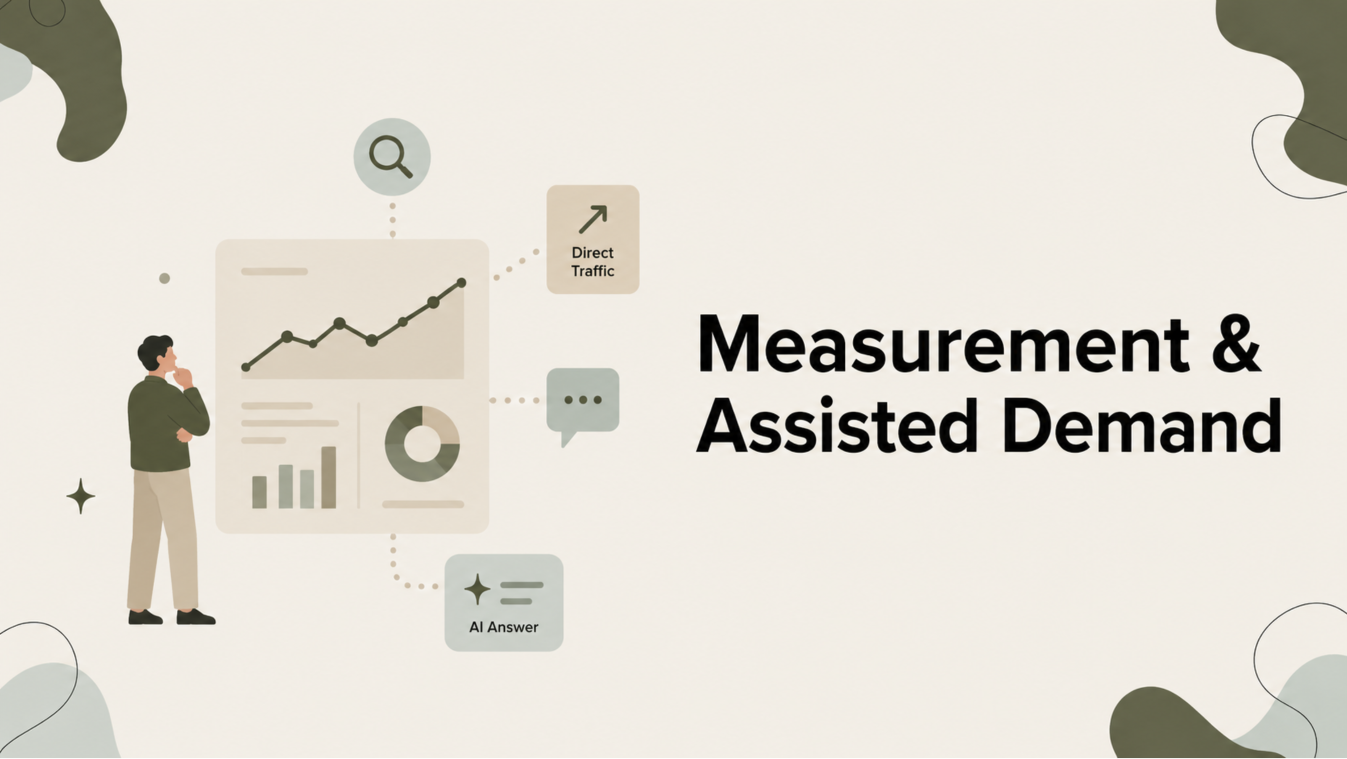
A user may discover your brand in an AI answer, search your brand later, visit your website directly, and then submit a form. In analytics, this may appear as branded search or direct traffic, not AI traffic.
That does not mean GEO had no impact.
GEO often creates assisted demand. It influences the research stage before the user becomes a lead.
Some signs of assisted demand include:
More branded searches
More direct traffic
Better quality sales conversations
Prospects mentioning AI research
More users comparing your brand with competitors
More visibility in high-intent AI prompts
This is why GEO should not be measured only by referral traffic from AI platforms.
What GEO Cannot Promise
GEO is useful, but it is not magic.
No serious GEO strategy should promise guaranteed rankings, exact traffic numbers, or a fixed number of leads from AI answers.
AI platforms change frequently. Different tools use different data sources. User behavior is also difficult to track across the full journey.
GEO cannot honestly guarantee:
Permanent placement in AI answers
Exact lead or revenue numbers
Instant results
Full control over AI responses
Results from thin or generic content
Long-term gains from fake reviews or spam mentions
If a provider promises guaranteed AI rankings or guaranteed revenue, be careful.
GEO should be treated as a long-term visibility and trust-building strategy.
How to Measure GEO
A practical GEO measurement system should focus on four areas.
Visibility
Track whether your brand appears in AI answers for target prompts.
Useful metrics include:
Brand mention rate
Prompt-level visibility
Platform-level visibility
Competitor presence
Share of AI recommendations
The main question is: Are we included in the answer?
Citations
Track whether AI systems use your content as a source.
Useful metrics include:
Cited URLs
Citation frequency
Page types that get cited
Topics that trigger citations
Citations from owned and third-party sources
The main question is: Are we trusted as a source?
Framing
Track how AI describes your brand.
Useful metrics include:
Positioning accuracy
Sentiment
Category association
Feature association
Comparison language
The main question is: Are we being described correctly?
Business Signals
Track whether AI visibility is supporting demand.
Useful metrics include:
Branded search growth
Direct traffic growth
Demo or contact form quality
Sales conversations influenced by AI research
Assisted conversions
Customer feedback about discovery source
The main question is: Is AI visibility helping users consider us?
A Simple 90-Day GEO Test
The best way to understand whether GEO works for your brand is to run a structured test.
Days 1–15: Build the Baseline
Create a list of prompts your target customers might ask.
Include category prompts, comparison prompts, buying questions, problem-solution prompts, and competitor-related prompts.
Then test those prompts across AI search platforms and record:
Whether your brand appears
Which competitors appear
Which sources are cited
How your brand is described
Which topics are missing your brand
Days 16–45: Improve Your Information Foundation
Update the pages that AI systems are most likely to use.
Focus on:
Homepage clarity
Service page specificity
FAQ content
Use-case pages
Comparison pages
Case studies
Internal linking
Structured data
Crawlability and indexability
The goal is to make your website easier to understand and more useful as a source.
Days 46–75: Build External Trust Signals
AI systems do not only look at your own website. They also use the wider web to understand credibility.
Improve your external footprint through:
Relevant directories
Partner pages
Guest articles
Review profiles
Podcast or webinar mentions
Community discussions
Industry reports
Expert commentary
The goal is not spam. The goal is verification.
Days 76–90: Retest and Compare
After your updates have been indexed and discovered, test the same prompts again.
Compare:
Brand mention rate
Citation rate
Competitor visibility
Cited URLs
Brand description accuracy
High-intent prompt performance
This turns GEO from guesswork into a measurable improvement process.
So, Does GEO Actually Work?
Yes, GEO can work.
But it works best when you understand what it is designed to do.
GEO is not only about getting more traffic. It is about helping your brand become visible, understandable, credible, and recommendable inside AI-assisted decision journeys.
As AI tools become a new research layer between customers and companies, brands need to make sure they are present in that layer.
In traditional search, being absent from page one was a problem.
In AI search, being absent from the answer may be even worse.
FAQ
Q: What is GEO?
A: GEO stands for Generative Engine Optimization. It is the practice of improving how a brand, website, product, or service appears in AI-generated answers from platforms such as ChatGPT, Google AI Overviews, Perplexity, Gemini, and Microsoft Copilot.
Q: Does GEO actually work?
A: Yes, GEO can work when it improves how AI systems understand, cite, and recommend a brand. However, it should not be measured only by direct clicks. Brands should also track mentions, citations, brand framing, branded search, and assisted demand.
Q: How should brands measure GEO?
A: Brands should measure AI mention rate, citation rate, cited URLs, prompt-level visibility, competitor visibility, sentiment, positioning accuracy, branded search growth, direct traffic changes, and sales conversations influenced by AI research.